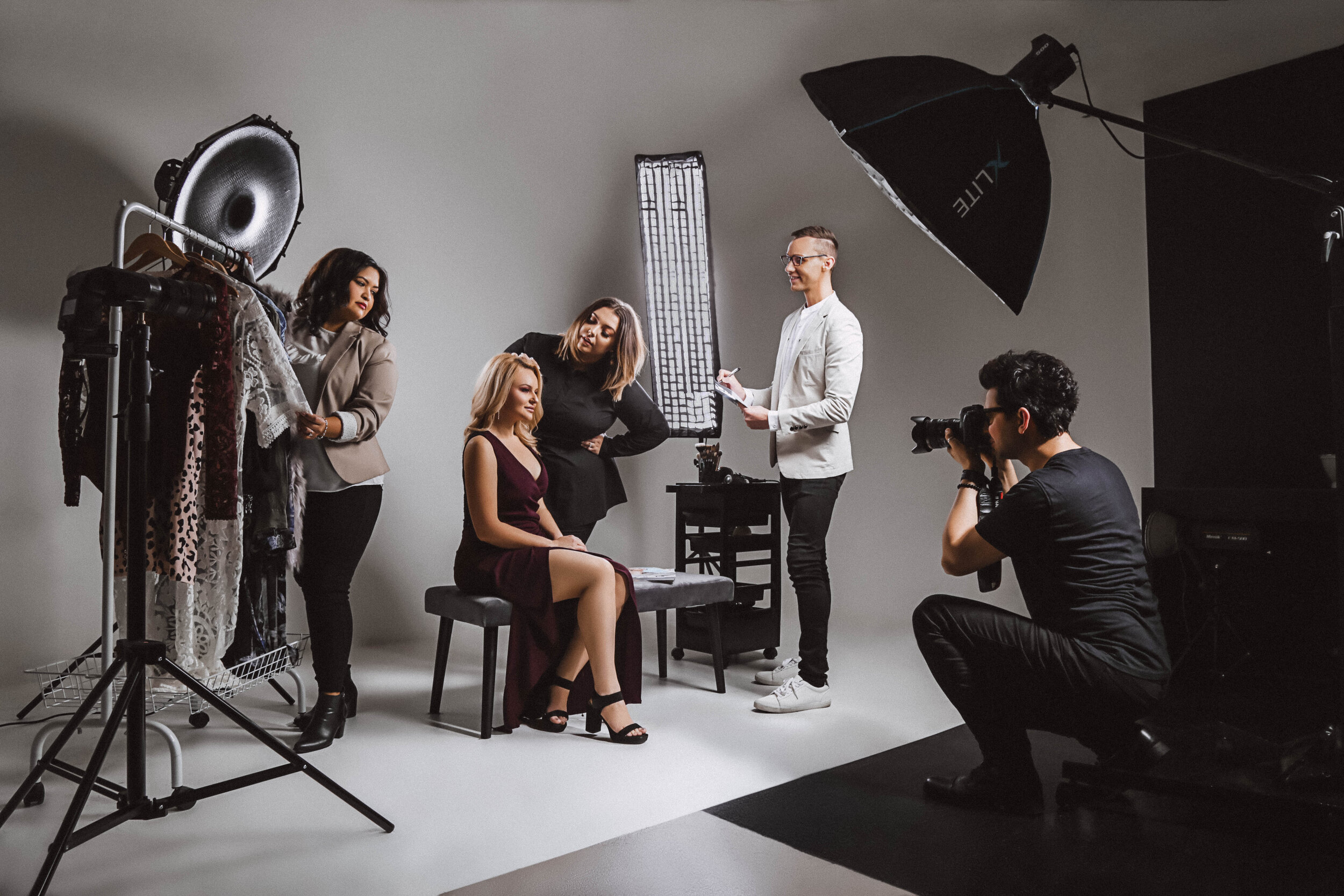
10 Essential Tips for Flawless Poses in Photo Shoots
Mastering the art of posing is crucial for achieving stunning photos. Here are 10 essential tips for flawless poses in photo shoots that will elevate your photography game:
- Find Your Angle: Experiment with different angles to discover your best side. Tilting your head or shifting your body can create more dynamic images.
- Relax Your Body: Tension can be visible in photos, so take a deep breath and relax your shoulders. A relaxed pose looks more natural and inviting.
- Use Your Hands: Avoid letting your arms hang limply by your sides. Instead, use your hands to create shapes or gently touch your face or hair.
- Practice Makes Perfect: Spend time in front of the mirror to practice poses. Familiarity will help you feel more confident when it's time for the shoot.
- Communicate with Your Photographer: Don't hesitate to share ideas or concerns with your photographer. Their guidance can help you achieve the perfect pose.
Additionally, consider incorporating these tips for even more polished results:
- Consider the Lighting: Natural light is your best friend. Find areas where light is flattering to enhance your features.
- Pay Attention to Posture: Good posture can make a significant difference in images, so stand tall and engage your core.
- Wardrobe Choices Matter: Choose outfits that flatter your body type and reflect your personal style. Solid colors often photograph better than busy patterns.
- Smile Naturally: Instead of forcing a smile, think of something that genuinely makes you happy to capture a more authentic expression.
- Know When to Break the Rules: While these tips are helpful, don’t be afraid to experiment. Some of the best shots come from spontaneous moments!
For more detailed insights, check out Digital Photography School’s posing tips or visit Shutterfly for creative posing ideas.
How Lighting Can Transform Your Photo Shoot: Secrets Revealed
Lighting is one of the most crucial elements in photography, capable of transforming an ordinary photo shoot into a mesmerizing visual experience. Understanding the power of lighting can help photographers create depth, mood, and emphasis, turning a simple snapshot into a storytelling masterpiece. Whether you’re using natural light from a golden sunset or experimenting with artificial sources like flashes and softboxes, mastering lighting techniques can make all the difference. For a deeper understanding of different lighting setups, check out this guide on lighting.
One secret to harnessing the transformative power of lighting lies in its manipulation. Consider using techniques such as backlighting to create silhouettes or using reflectors to fill in shadows, which can enhance the subject's features. Additionally, the time of day plays a significant role in how lighting influences your photographs; the golden hour, just after sunrise or before sunset, offers soft, diffused light that elevates the overall quality of images. Learn more about utilizing natural light effectively by visiting Photography Life's detailed post on natural light.
What Poses Work Best for Different Body Types?
When it comes to yoga, understanding how different poses work for different body types is essential for maximizing benefits and minimizing injury. For example, individuals with a longer torso may find poses like Downward Facing Dog highly effective, as this pose allows for greater spinal elongation and can help improve flexibility. Conversely, those with shorter limbs may struggle with such poses and might benefit from Child's Pose, which offers a grounded position that minimizes the need for extensive reach while still promoting relaxation and stretching of the back muscles.
In addition, it is important to note that individuals with wider hips may find poses like Pigeon Pose advantageous, as they open the hips and enhance mobility. On the other hand, those with narrower frames might benefit more from poses that cultivate strength and stability, such as Plank Pose. Taking into consideration your body type can significantly influence your practice, as certain poses can feel more accessible and rewarding based on your unique physical features.