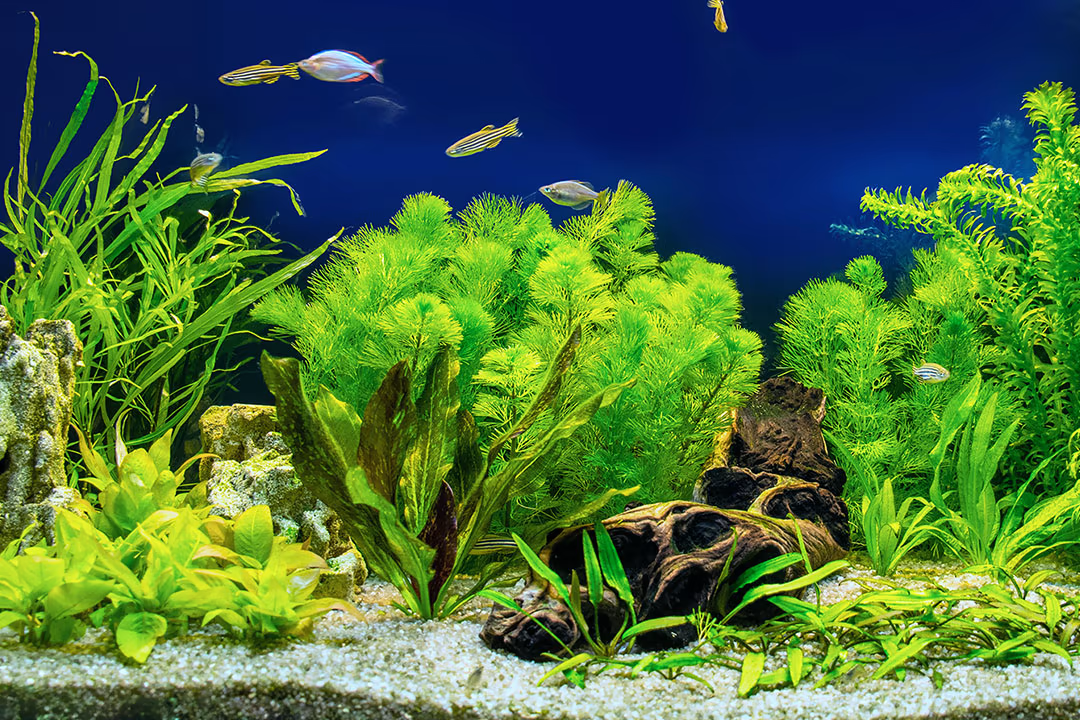
10 Essential Tips for Thriving Aquarium Ecosystems
Creating a thriving aquarium ecosystem is not just about aesthetics; it involves maintaining a delicate balance that promotes the health of both plants and aquatic life. Here are 10 essential tips to help you achieve this:
- Choose the Right Size Tank: A larger aquarium provides more stable water conditions, crucial for thriving aquatic life.
- Invest in Quality Filtration: A good filtration system enhances water quality, removes toxins, and maintains a healthy environment for your fish.
- Monitor Water Parameters: Regularly test pH, ammonia, nitrite, and nitrate levels to ensure they remain within safe limits.
- Provide Adequate Lighting: Proper lighting encourages plant growth and keeps your aquarium looking vibrant.
- Maintain Consistent Temperature: Use a reliable heater to keep water temperature stable according to the needs of your fish and plants.
In addition to these foundational elements, consider implementing the following strategies to enhance your aquarium's ecosystem:
- Avoid Overcrowding: Ensure your tank is not overstocked to prevent stress and competition for resources among fish.
- Introduce Live Plants: Plants provide oxygen, remove toxins, and create a natural habitat for fish.
- Feed Properly: Offer a balanced diet tailored to the specific dietary needs of your fish, avoiding overfeeding.
- Perform Regular Maintenance: Schedule water changes, clean the tank decor, and check equipment status to preserve a healthy environment.
- Be Patient: Establishing a thriving aquarium ecosystem takes time. Allow your tank to mature before introducing new fish.
What Do Fish Really Need? Understanding the Basics of Aquarium Care
Understanding what fish really need is crucial for maintaining a healthy and thriving aquarium environment. Fish care goes beyond simply providing water; it encompasses several key components that contribute to their overall well-being. Firstly, the quality of the water is paramount. This includes maintaining appropriate temperature, pH levels, and ammonia/nitrite/nitrate levels. Regular testing and water changes are essential to ensure that your fish are living in a safe and stable habitat. Additionally, appropriate filtration and aeration should be implemented to keep the water clean and oxygenated.
Another vital aspect of aqua care is feeding your fish the right diet. A balanced diet tailored to the specific species of fish in your aquarium can significantly impact their health and vitality. Overfeeding should be avoided, as it can lead to water quality issues and obesity in fish. Moreover, providing enrichment through the addition of plants, hiding spots, and appropriate tank mates can help reduce stress and simulate a more natural environment. By paying attention to these fundamental needs, aquarists can create a thriving ecosystem for their fish.
The Ultimate Guide to Preventing Algae: Keeping Your Tank Sparkling Clean
Algae can quickly turn a vibrant aquarium into a green-tinged eyesore, making it crucial for aquarium enthusiasts to understand effective prevention methods. To **prevent algae**, start by maintaining a regular cleaning schedule. This includes performing partial water changes of 10-15% weekly to reduce nutrient buildup, which fuels algae growth. Additionally, ensure that the substrate and decorations in the tank are cleaned regularly to remove any organic waste that can contribute to the problem. Employing a quality filtration system helps to maintain water clarity and quality, creating an environment less conducive to algae proliferation.
Another effective strategy for **keeping your tank sparkling clean** is to manage lighting conditions. Algae thrive in environments with excessive light exposure, so it’s important to limit the amount of time your aquarium lights are on to about 8-10 hours each day. Consider using a light timer for consistency and to help control growth. Finally, introducing live plants can also aid in controlling algae, as they compete for nutrients and can help balance the ecosystem in your aquarium. By following these tips, you’ll be well on your way to a stunning, algae-free tank.