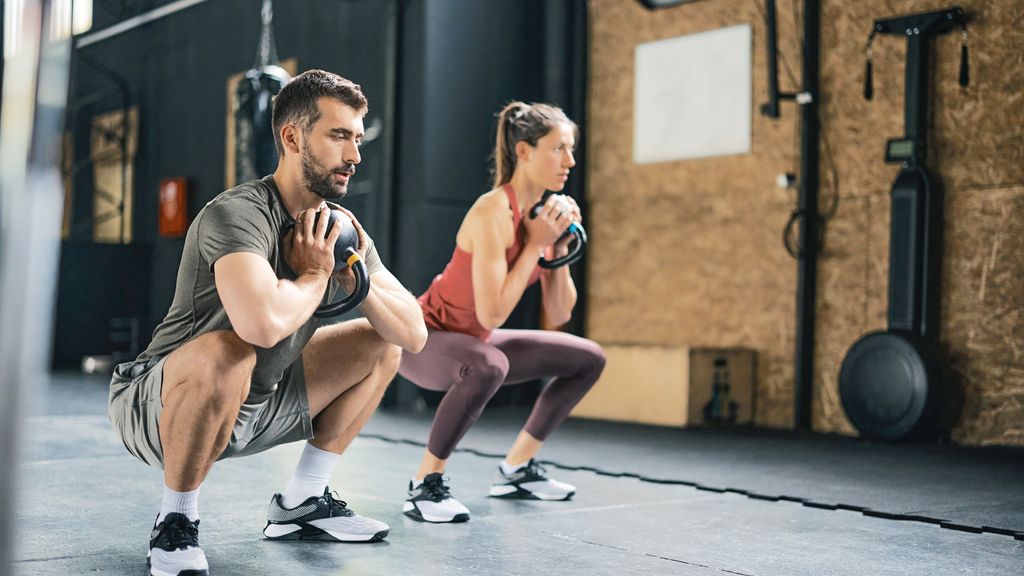
The Benefits of Functional Training: Enhancing Everyday Performance
Functional training is a versatile approach to fitness that focuses on exercises which mimic everyday movements. This type of training emphasizes strength, flexibility, and coordination in a way that translates directly to real-world activities. For example, it helps individuals enhance their ability to perform daily tasks such as lifting groceries, climbing stairs, or even playing with children. By engaging in functional training, participants not only improve their physical capabilities but also reduce the risk of injuries and enhance overall body stability.
Moreover, functional training promotes an overall improvement in everyday performance by targeting multiple muscle groups and improving body mechanics. Some key benefits include:
- Increased strength in core muscles, leading to better posture
- Enhanced cardiovascular health through dynamic, full-body movements
- Improved balance and coordination, which aids in fall prevention
- Greater flexibility, contributing to a complete range of motion
Incorporating functional training into your workout regimen can lead to a more active and fulfilling lifestyle, ensuring you can tackle daily challenges with ease.
Functional Training vs. Traditional Weightlifting: Which Is Right for You?
Functional training and traditional weightlifting are two popular approaches to fitness, each offering unique benefits tailored to different goals. Functional training focuses on exercises that mimic real-life activities, aiming to improve overall strength, stability, and flexibility. This type of training typically incorporates bodyweight movements, resistance bands, and tools like kettlebells, allowing for a more dynamic workout that engages multiple muscle groups simultaneously. On the other hand, traditional weightlifting emphasizes lifting heavy weights in a structured manner, often targeting specific muscle groups through exercises like squats, deadlifts, and bench presses. For those looking to build muscle mass or improve their strength for sports, traditional weightlifting might be the preferable option.
When deciding which method is right for you, consider factors like your fitness goals, injuries, and personal preferences. If your aim is to enhance athletic performance, increase functional strength for daily tasks, or involve some variety in your workouts, functional training can provide an engaging and comprehensive approach. Conversely, if you are focused on hypertrophy, strength gains, or enjoy the structure of a gym workout, traditional weightlifting may better align with your objectives. In essence, neither style is inherently better; it ultimately comes down to what works best for your body and lifestyle.
5 Essential Functional Exercises to Incorporate Into Your Routine
Incorporating functional exercises into your routine can significantly improve your strength, balance, and overall fitness. These exercises are designed to mimic everyday activities, making them a practical choice for enhancing your performance in daily tasks. Here are 5 essential functional exercises you should consider including:
- Squats: Perfect for strengthening your legs and core, squats help with movements like sitting down and standing up.
- Deadlifts: This exercise targets your posterior chain, assisting in maintaining good posture and improving lifting techniques.
- Push-ups: A classic upper body strength builder that enhances the muscles used in pushing movements.
- Planks: Excellent for building core stability, which is fundamental for all other movements.
- Lunges: Great for leg strength and stability, lunges also replicate the movement patterns used in walking and running.